Table of Contents
- The Real Condition of an Aging Asphalt Roof in the Chicago Suburbs
- What Chemical Roof Treatments Actually Do (and What They Cannot Fix)
- The Limits of Spray-On Rejuvenation for Midwest Weather
- Why a Full Roof Replacement Delivers Lasting Protection
- Premium Materials We Install, Including DaVinci Slate and Shake
- Insurance, Warranties, and Long-Term Value of a New Roof
- Our 35+ Years of Local Expertise and 24/7 Emergency Response
- Schedule a Roof Evaluation With Owen Enterprises
- Frequently Asked Questions (FAQ)
The Real Condition of an Aging Asphalt Roof in the Chicago Suburbs
By the time a Chicago-area asphalt roof is 15 to 20 years old, it has weathered hundreds of freeze-thaw cycles, summer hailstorms, ice dams along the eaves, and the constant UV exposure that follows our long stretches of cloudless winter days. The damage is rarely cosmetic alone.
What we typically find during inspections in towns like Naperville, Arlington Heights, and Hinsdale includes:
- Granule loss exposing the asphalt mat to UV breakdown
- Curling, cupping, or clawing shingles around south-facing slopes
- Cracked sealant strips that allow wind uplift during 60+ mph gusts
- Compromised flashing at chimneys, valleys, and step walls
- Saturated or compressed underlayment beneath visibly intact shingles
- Decking soft spots from slow leaks that never reached a ceiling
These problems are structural and systemic. A homeowner weighing new roof vs Roof Maxx needs to start with an honest picture of what is actually failing, because surface treatments cannot address issues that live in the underlayment, decking, or flashing.
Takeaway: Ask for photos of your decking, valleys, and flashing during any inspection. If the contractor only photographs shingles, the assessment is incomplete.
What Chemical Roof Treatments Actually Do (and What They Cannot Fix)
Spray-on asphalt shingle rejuvenation products are typically soybean-oil-based formulas designed to replenish some of the volatile oils that leach out of asphalt as it ages. The premise is reasonable on paper: restore flexibility to brittle shingles and delay replacement by a few years.
What these treatments can do, in limited cases:
- Add temporary pliability to shingles that are dried out but otherwise intact
- Slow further oil loss on a relatively young roof

What they cannot do:
- Replace lost granules or rebuild UV protection
- Reseal cracked or broken shingle tabs
- Repair failed flashing, vents, or pipe boots
- Restore compromised underlayment or wet decking
- Reverse hail bruising or wind damage already documented by insurance
In other words, chemical rejuvenation is a maintenance concept applied to a system that is usually past the point where maintenance is the right tool. When we evaluate roof restoration alternatives for clients, we make sure the conversation includes everything beneath the shingles, not just the surface layer.
Takeaway: If your roof has granule loss, missing tabs, or any flashing issues, a spray treatment is not addressing the failure mode.
The Limits of Spray-On Rejuvenation for Midwest Weather
Chicago suburbs sit in one of the harsher residential climates in the country for roofing. Temperature swings of 60 degrees within 48 hours, lake-effect humidity, ice dam formation, and summer hail combine to stress shingles in ways that mild-climate test data does not reflect.
A few realities we see in the field:
- Freeze-thaw accelerates substrate damage. Once water has penetrated below the shingle layer, no surface coating can pull it back out or repair the wood beneath.
- Hail bruising is invisible to spray treatments. A hail-impacted shingle has a fractured mat. Adding oil does not knit that fracture back together.
- Manufacturer warranties usually do not extend to treated shingles. Applying a third-party chemical to a warrantied product can void coverage you may still need.
- Lifespan claims are short. Most rejuvenation services advertise an extension of around five years per application, with limited independent long-term data in our climate zone.
For a homeowner who has already invested decades in a property, betting on a short-term chemical extension often defers a larger expense without reducing it.
Takeaway: Get any rejuvenation warranty in writing and compare its actual transferability and coverage to a new roof warranty before deciding.
Why a Full Roof Replacement Delivers Lasting Protection
A replacement is not just new shingles. It is a complete roof system: tear-off, decking inspection and repair, ice and water shield at vulnerable areas, synthetic underlayment, properly integrated flashing, balanced ventilation, and new shingles or premium materials installed to manufacturer specification.
The roof replacement benefits homeowners actually feel:

- 30 to 50 years of predictable performance with the right product selection
- Insurance-friendly documentation that often improves homeowner policy standing
- Energy efficiency gains from corrected ventilation and modern underlayment
- Resale value that appraisers and buyers recognize immediately
- Peace of mind during storm season, which matters more every year
When weighed as a long-term roofing investment, replacement consistently outperforms repeated chemical treatments on a cost-per-year basis once you factor in deferred damage, lost warranty coverage, and the eventual replacement anyway.
Takeaway: Calculate cost per year of expected service life, not just upfront price, when comparing options.
Premium Materials We Install, Including DaVinci Slate and Shake
For homeowners who want their next roof to be the last roof they ever buy, we specialize in synthetic composite systems alongside traditional architectural and designer asphalt shingles.
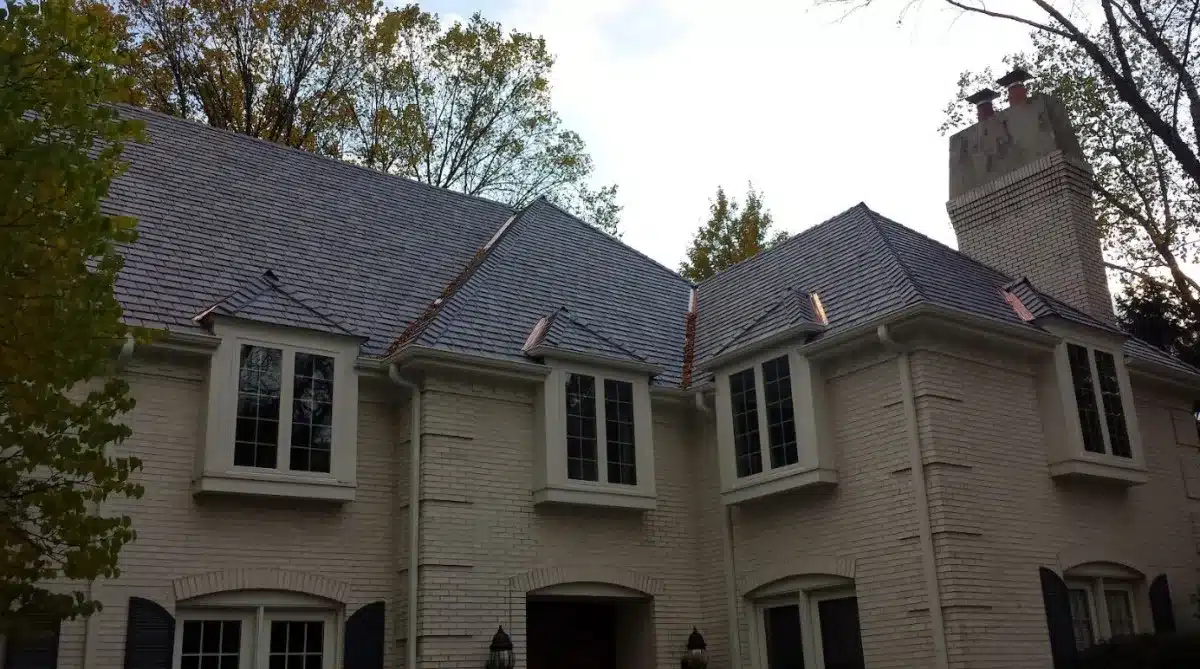
Our DaVinci slate service offers polymer slate and shake tiles that deliver the appearance of natural slate or hand-split cedar without the weight, brittleness, or maintenance demands. Benefits we highlight for Chicago suburban homes include:
- Class 4 impact resistance, the highest rating for hail
- Class A fire rating
- 110+ mph wind ratings
- 50-year limited warranty
- Color stability under heavy UV exposure
- Dimensional realism that complements historic and custom architecture in communities like Hinsdale, Wheaton, and Lake Forest
We also install premium asphalt systems with upgraded ridge ventilation, ice and water shield extending well past code minimums, and copper or pre-finished metal flashing where appropriate. For homeowners who want their exterior to function as a coordinated system, we extend the same craftsmanship to siding, windows, and outdoor living additions like decks and pergolas.
Takeaway: Match material class to your hail and wind exposure. A Class 4 impact-rated roof can also reduce insurance premiums in many Illinois policies.
Insurance, Warranties, and Long-Term Value of a New Roof
This is the area where the gap between chemical rejuvenation and replacement widens the most. A new roof comes with manufacturer material warranties, workmanship warranties, and a clear paper trail that insurance carriers recognize. A treated roof does not reset the age clock for underwriters, and many carriers are tightening rules around older roofs regardless of any rejuvenation service applied.
As licensed public insurance adjusters, we help homeowners:
- Document storm damage accurately the first time
- Navigate claim language so legitimate damage is not undervalued
- Coordinate scope and pricing with carrier estimators
- Choose materials that align with policy upgrades and code requirements

A roof replacement also produces transferable warranty coverage that strengthens resale negotiations. Buyers and their inspectors respond very differently to a roof with 40 years of warranty remaining than to a 20-year-old roof carrying a chemical treatment certificate.
Takeaway: Ask your insurer in writing how they treat a rejuvenated roof at renewal. The answer often clarifies the decision.
Our 35+ Years of Local Expertise and 24/7 Emergency Response
We have spent more than three and a half decades building roofs that hold up to Chicago suburb roofing conditions. That experience shows up in the small details: how we flash a chimney cricket, where we transition ice and water shield around skylights, how we ventilate a story-and-a-half with knee walls, how we sequence tear-off to protect landscaping and gutters.
When storms hit, we are also there. Our emergency roof repairs team responds 24/7 to tarp, stabilize, and document damage so homeowners are protected while longer-term decisions get made carefully. That combination of emergency response, insurance adjusting, and full-system installation is what allows us to handle a roof from the first hailstone to the final ridge cap without handoffs.
Takeaway: Save a trusted contractor’s emergency number before storm season, not during it.
Schedule a Roof Evaluation With Owen Enterprises
If you are weighing replacement against a spray-on treatment, the right next step is a thorough, honest evaluation of what your roof actually needs. We will inspect the full system, photograph what we find, walk you through the options, and give you a realistic picture of remaining service life along with material recommendations tailored to your home and budget.
Reach out through owenenterprises.com to schedule your evaluation. Whether the right answer is a targeted repair, a premium DaVinci installation, or a planned replacement two seasons from now, you will have the information to choose with confidence.
Frequently Asked Questions (FAQ)
Does Roof Maxx actually extend the life of an aging asphalt roof?
Chemical rejuvenation treatments can temporarily restore some flexibility to asphalt shingles, but they cannot repair cracked decking, failed flashing, worn underlayment, or granule loss. In our experience across the Chicago suburbs, roofs old enough to be considered for rejuvenation usually have underlying issues that a spray-on product cannot address. We see the best long-term outcomes when homeowners invest in a full replacement once shingles reach the end of their service life.
How long should a new roof last on a home in the Chicago suburbs?
With quality materials and proper installation, asphalt shingle roofs we install typically last 25 to 30 years, while premium products like DaVinci slate and shake are engineered to perform for 50 years or more. Midwest weather, including freeze-thaw cycles, hail, and heavy winds, makes installation quality just as important as the shingle itself. We account for ventilation, ice dam protection, and flashing details to maximize that lifespan.
Will my insurance help cover a roof replacement after storm damage?
In many cases, yes. Storm-related damage from wind or hail is often covered under homeowners policies, and our licensed public insurance adjusters can review your policy and document the damage during the claims process. We have handled this work for Chicago-area homeowners for more than 35 years and can guide you from the initial inspection through final installation.