Table of Contents
- Understanding the Aging Roof Dilemma for Chicago Suburban Homes
- How Roof Rejuvenation Treatments Work and Their Real Limitations
- The Long-Term Value of a Full Roof Replacement
- Why 35+ Years of Local Expertise Matters in Our Climate
- Premium Materials We Install, Including DaVinci Slate and Shake
- Insurance Claims and Storm Damage: How Our Licensed Public Adjusters Help
- Signs Your Roof Needs Replacement Rather Than a Surface Treatment
- Our Full-Service Approach: Roofing, Siding, Windows, and Outdoor Living
- Getting Started with a Roof Assessment from Owen Enterprises
- Frequently Asked Questions (FAQ)
Understanding the Aging Roof Dilemma for Chicago Suburban Homes
Roofs in the Chicago suburbs live a hard life. Between polar vortex cold snaps, humid summers pushing 95°F, hailstorms rolling through Naperville and Arlington Heights, and the freeze-thaw cycles that pry shingles loose every winter, most asphalt roofs here show real wear by year 15. Homeowners then face a common crossroads: pay for a rejuvenation spray treatment and hope to buy more years, or commit to a full replacement.
That decision has real money attached to it, and the wrong choice can cost far more than it saves. A treatment applied to a roof that is structurally past its prime often delays the inevitable by a season or two while hiding leaks that damage decking, insulation, and drywall underneath.
Quick takeaway: Before choosing between roof replacement vs roof treatment, get an honest assessment of what stage of life your roof is actually in. Guessing is expensive.
How Roof Rejuvenation Treatments Work and Their Real Limitations
Asphalt shingle rejuvenation products, sometimes marketed under names like Roof Maxx, are soybean-oil-based sprays applied to aging shingles. The theory is that the oil restores flexibility to shingles that have dried out, reducing granule loss and brittleness for a limited window, often marketed as five years per application.
There are legitimate use cases. A shingle roof that is roughly 10 to 15 years old, still watertight, with minor drying but no structural issues, may benefit from a treatment as a stopgap. But the limitations are significant:
- Treatments do not repair cracked, curled, or missing shingles.
- They cannot restore compromised underlayment, flashing, or decking.
- They do not address hail bruising or wind-lifted seals.
- Manufacturer shingle warranties are typically not extended by third-party sprays, and in some cases they can be voided.
- Once granule loss is advanced, the asphalt mat is already UV-damaged and no oil restores that.
What to do next: If a contractor recommends a treatment without inspecting your attic, flashing, and decking, get a second opinion. Surface-level fixes require whole-system context.
The Long-Term Value of a Full Roof Replacement
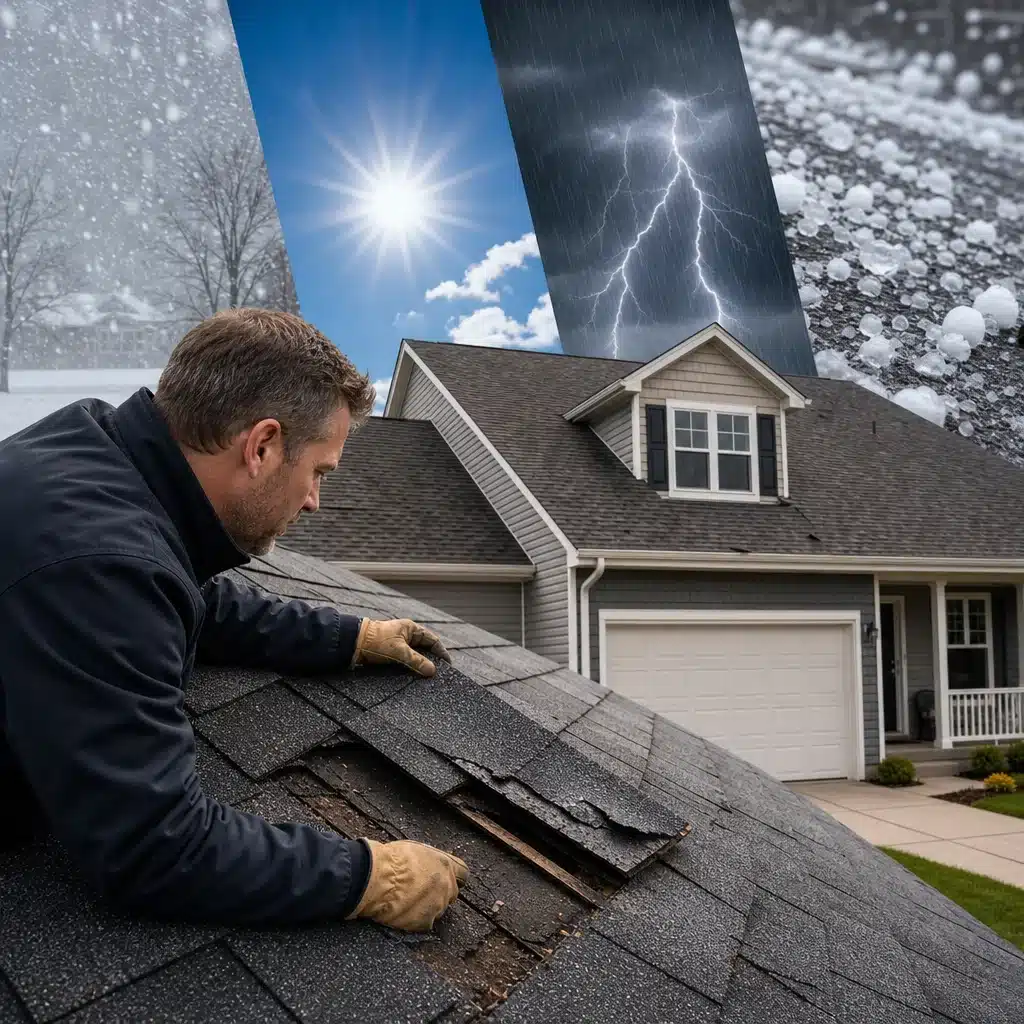
A full replacement resets the clock. New underlayment, ice and water shield along eaves and valleys, fresh flashing at chimneys and sidewalls, proper ventilation, and modern architectural or premium shingles combine to protect the home for decades, not seasons.
When homeowners ask about full roof replacement cost, we frame it against total cost of ownership. A quality architectural shingle system installed correctly can last 25 to 30 years in our climate. Spread across that lifespan, the annual cost frequently beats stacking multiple treatments plus eventual replacement anyway. Premium systems like synthetic slate can push useful life past 50 years.
Replacement also delivers benefits treatments cannot:
- Improved attic ventilation that lowers summer cooling bills.
- Upgraded ice dam protection, critical along North Shore rooflines.
- Higher resale value and cleaner home inspections at sale.
- Full manufacturer warranties, often 30 to 50 years on materials.
Takeaway: Think of replacement as a capital improvement. Treatments are maintenance at best, and only appropriate on a narrow band of roof ages.
Why 35+ Years of Local Expertise Matters in Our Climate
We have installed roofs across the Chicago suburbs for more than three decades. That history matters because our weather is not generic. A roof detail that works fine in Georgia will fail in Wheaton after two winters. Ice damming along soffits, wind uplift on west-facing slopes, and hail concentrations in specific corridors like the I-88 belt all shape how we build.
Our crews know which valley configurations shed our heavy wet snows, where to extend ice and water membrane beyond code minimums, and how to detail a chimney cricket so meltwater does not pool. Extending roof lifespan in this region comes down to those specifics, not marketing claims.
We also operate 24/7 emergency roofing services because storms here do not wait for business hours. A tarped roof at 2 a.m. after a July microburst is often the difference between a manageable repair and a ruined ceiling.
Premium Materials We Install, Including DaVinci Slate and Shake
For homeowners who want the look of natural slate or cedar without the weight, cost, and maintenance drawbacks, we install DaVinci slate and shake. These synthetic composite tiles are engineered for our climate and deliver:
- Class 4 impact resistance, the highest hail rating available, which can qualify for insurance premium discounts.
- Class A fire rating.
- 50-year limited warranties.
- Authentic slate and shake aesthetics that hold up in historic districts like Hinsdale and Riverside.
- Color stability against UV that natural cedar cannot match.
We also install high-performance architectural asphalt systems, designer shingles, and full accessory packages including ridge vents, hip and ridge caps, and premium underlayments. Material choice should match the home’s architecture, the neighborhood, and how long you plan to stay.
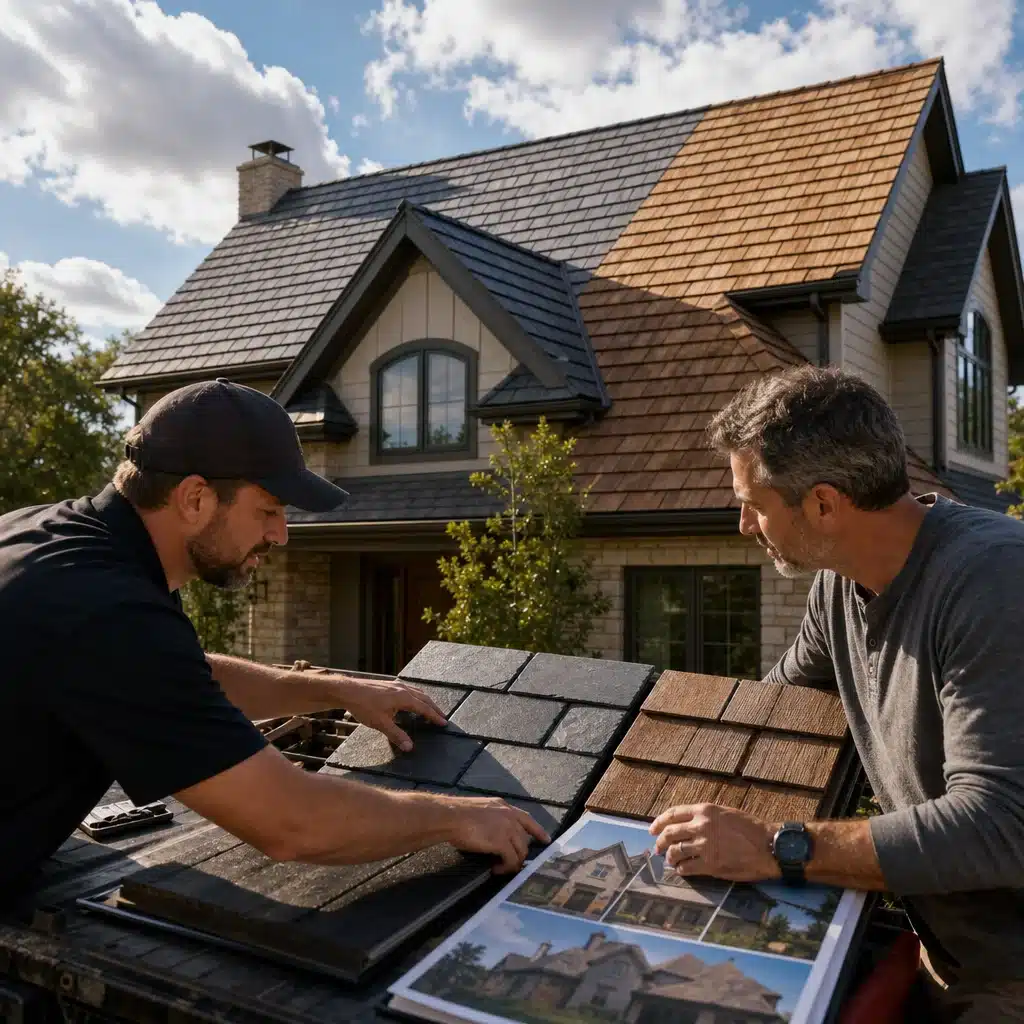
Takeaway: Ask any contractor for the full system spec, not just the shingle brand. The underlayment, ventilation, and flashings determine whether the roof lasts its rated life.
Insurance Claims and Storm Damage: How Our Licensed Public Adjusters Help
Storm damage in Illinois can be complicated to claim. Adjusters representing your insurer work for the insurance company. We have licensed public insurance adjusters on staff who work for you, documenting damage, interpreting policy language, and negotiating fair settlements.
That matters because hail and wind damage is often underestimated on first inspection. Bruised shingles may not leak immediately but fail within a year or two, and by then the storm date is out of policy window. We document damage properly the first time.
Our storm damage restoration process typically includes:
- Free post-storm inspection with photo and drone documentation.
- Damage report aligned with your policy language.
- Claim filing support and meeting the field adjuster on-site.
- Supplement negotiations if scope was missed.
- Full-scope restoration once the claim is approved.
Takeaway: Never sign a scope of loss before an independent expert has walked the roof. A missed line item can cost thousands out of pocket later.
Signs Your Roof Needs Replacement Rather Than a Surface Treatment
Knowing when to replace a roof rather than treat it is largely a matter of reading specific symptoms. Replacement is the right call when you see:
- Granules accumulating in gutters and downspouts consistently after rains.
- Shingles that are curled, cupped, or cracked across multiple slopes.
- Bald patches where asphalt mat is exposed to UV.
- Sagging rooflines, indicating decking or structural issues.
- Interior stains on ceilings or attic sheathing, or daylight visible through the deck.
- Repeated repairs in the same areas.
- Age past 20 years on a 3-tab asphalt roof, or 25 years on architectural.
- Post-hail bruising or wind creasing confirmed by inspection.
A rejuvenation treatment applied over any of these conditions is money spent postponing a bigger repair bill. Water finds every weakness, and once decking rots, the project scope grows quickly.
Our Full-Service Approach: Roofing, Siding, Windows, and Outdoor Living
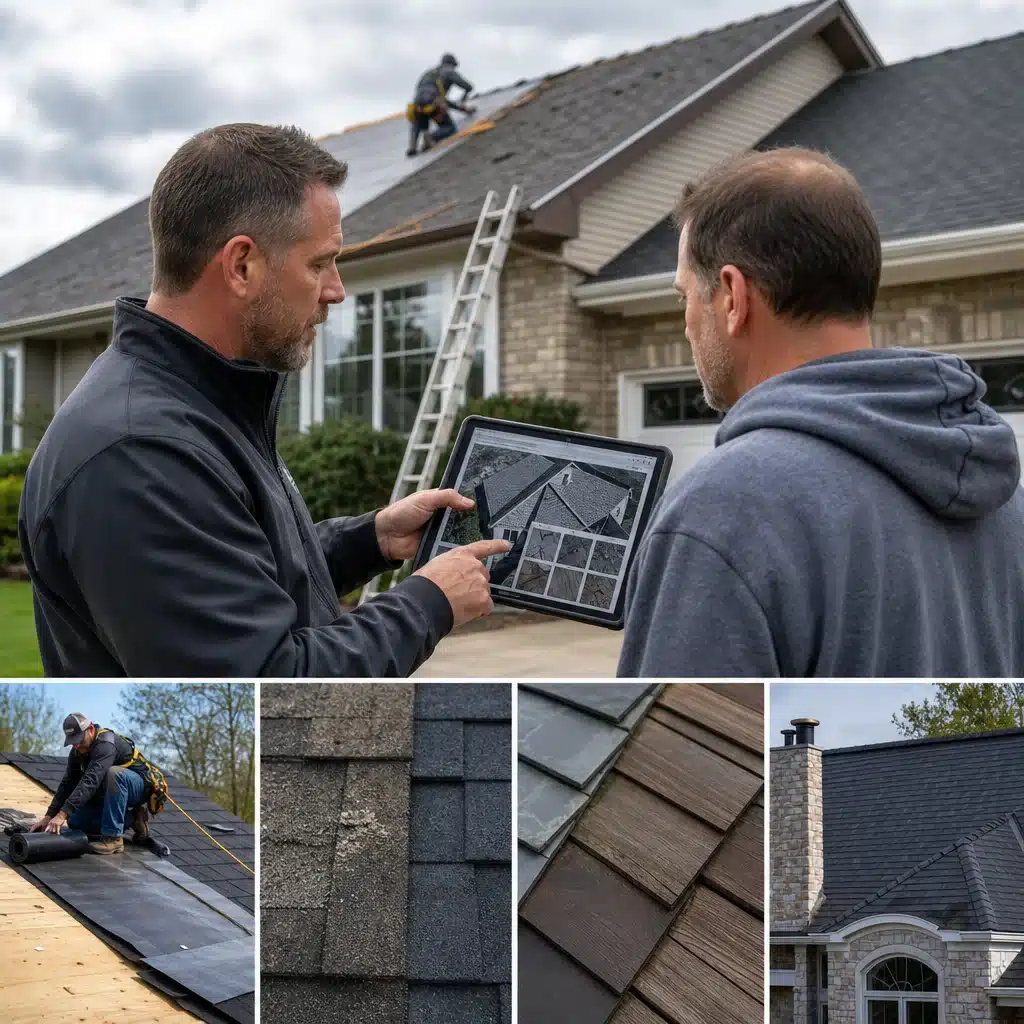
Roofs do not exist in isolation. Flashing ties into siding. Gutters interact with fascia. Window head flashings need to integrate with wall wraps. When exterior components are handled by different contractors on different timelines, gaps and callbacks multiply.
We handle the full exterior envelope:
- Roofing: Asphalt, synthetic slate, cedar shake alternatives, flat and low-slope systems.
- Siding: Fiber cement, engineered wood, premium vinyl, and shake profiles.
- Windows: Full-frame and insert replacement, energy-efficient units suited to Illinois climate zones.
- Outdoor living: Decks, pergolas, and structural additions that complement the home.
A single project manager, a single warranty conversation, and one contractor accountable for how it all fits together. As a residential roofing contractor Chicago suburbs homeowners have trusted for 35 years, we prefer that everything ties together cleanly the first time.
Getting Started with a Roof Assessment from Owen Enterprises
The best next step is a proper inspection. We provide free, no-pressure roof assessments where we document current condition, remaining useful life, and whether repair, treatment, or replacement fits your situation and timeline. If you had a recent hail or wind event, we can also review whether an insurance claim makes sense.
To schedule an assessment:
- Visit owenenterprises.com or call our office.
- Share basic details about your home, roof age, and any concerns.
- We schedule an on-site inspection at your convenience.
- You receive a written report with photos and clear options, including transparent pricing.
Whether the answer is a targeted repair, a premium DaVinci slate installation, or a full replacement with an architectural shingle system, we will give you the information to decide with confidence. Your roof is one of the largest investments in your home. It deserves a straight answer from a contractor that has been standing behind its work in the Chicago suburbs for over three decades.
Frequently Asked Questions (FAQ)
How do we decide between a roof rejuvenation treatment and a full roof replacement?
The right choice depends on the age, condition, and structural integrity of your existing roof. Treatments like asphalt shingle rejuvenation can add a few years of flexibility to shingles that are still sound, but they cannot restore roofs with widespread granule loss, curling, leaks, or damaged decking. During our assessment, we inspect the full roof system and give you an honest recommendation based on what we find.
What signs indicate our Chicago-area roof needs replacement rather than a surface treatment?
We typically recommend replacement when we see cracked or missing shingles across multiple slopes, sagging areas, active leaks, daylight visible from the attic, or a roof that has passed 20 to 25 years of age. Storm damage from hail or high winds, along with compromised flashing and underlayment, also points to replacement rather than a topical treatment. Our team documents these conditions in detail so you can make an informed decision.
How do our licensed public insurance adjusters help after storm damage?
As licensed public adjusters, we represent you directly in the claims process rather than the insurance company. We document damage, prepare the claim, negotiate with the carrier, and make sure the scope of repairs matches what your roof actually needs. This helps homeowners in the Chicago suburbs recover a fair settlement and avoid overlooked damage that can lead to costly problems later.