Summary: Composite roofing offers Illinois homeowners a practical combination of durability, design flexibility, weather resistance, and lower maintenance requirements. For homeowners planning broader roofing improvements, a composite roof in Burr Ridge, IL brings expertise and flawless results. Understanding composite materials helps homeowners make informed decisions based on climate, roof design, maintenance needs, and long-term performance.
Illinois roofs face demanding conditions throughout the year. Winter brings freezing temperatures, snow, and ice, while summer introduces heat, intense sunlight, heavy rainfall, and sudden storms. These changing conditions place continuous demands on roofing materials. Composite roofing addresses many of these challenges by combining engineered materials with designs that replicate the appearance of natural slate, cedar shake, or Spanish tile.
A composite roof in Burr Ridge, IL focuses on roofing requirements for commercial and residential properties, which differ. Understanding these distinctions helps homeowners and commercial building owners focus on the roof system that fits their property’s structure and climate.
How Composite Roofing Performs in Illinois Weather?
Houses face a number of problems related to the weather in Illinois. The continuous freezing and thawing could place stresses on roof materials, and over time hail accumulation, wind, moisture, and ultraviolet rays can cause degradation to the pavement surface. A roofing system needs more than visual appeal to perform reliably under these conditions.
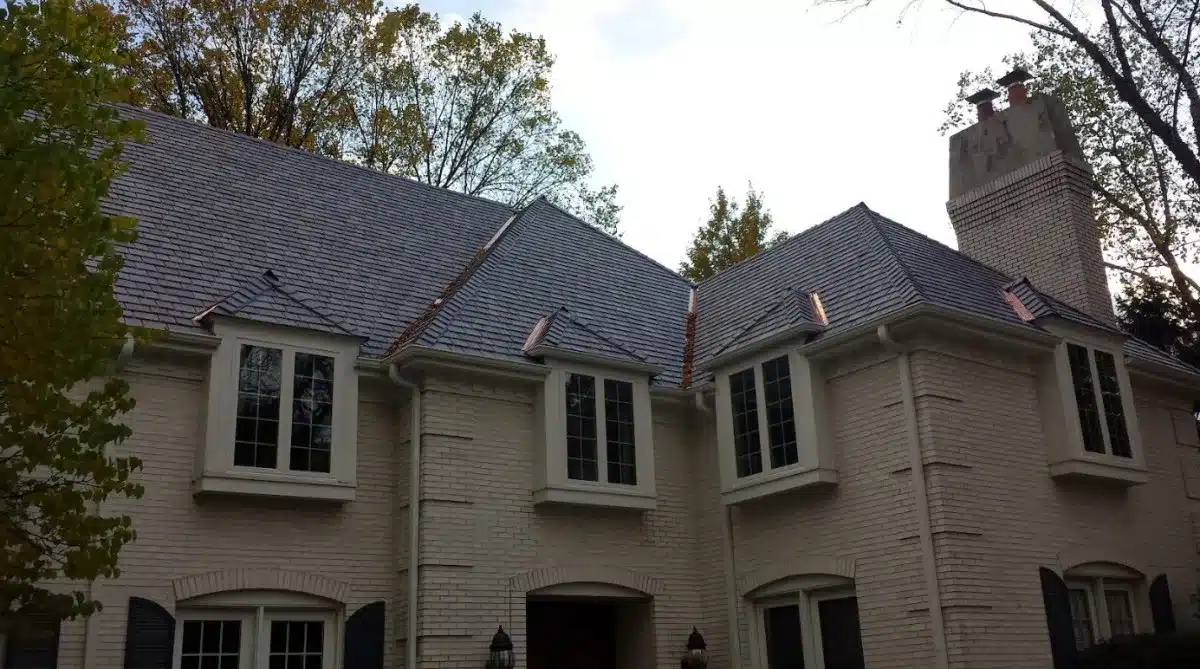
Composite roofing uses engineered materials designed for durability and dimensional stability. Brava, for example, manufactures composite roofing products designed to replicate slate, cedar shake, and Spanish barrel tile while providing resistance to common environmental stresses. Its published product information lists impact ratings, fire-rating options, UV protection, and wind-resistance specifications for its composite roofing products. This is especially important for homeowners looking to provide architectural expression but not wanting to deal with the maintenance of natural wood or traditional slate roof tiles.
A Balance Between Appearance and Performance
Roofing materials contribute significantly to architectural character. There are a variety of options to give a unique look, such as natural slate and cedar shake creates a textured profile. Composite roofing is a replication of these visual aspects achieved with engineered materials.
In cases where homeowners replace a previous roof system on their home that already has some architectural aspects intact, then this design versatility is crucial. The appropriate roof profile should match the roof pitch, exterior details, window styles and design, and general design of the home. Size, roof shape, flashing information, overall drainage plan, and exterior finishing of the surrounding buildings are other factors homeowners should take into account.
Reduced Maintenance Compared with Some Natural Materials
When choosing a roofing solution, it is important to consider the maintenance needs. It is important to be mindful of moisture exposure or deterioration for natural cedar, and careful handling is required for natural slate, as the pieces may crack or break in certain conditions.
There are different maintenance requirements for composite materials. The composite products made by Brava and DaVinci do not warp, crack, split, or rot, and their composite slate products give the ‘slate look’ without the material’s weight.
Lower maintenance does not eliminate the need for inspections. Homeowners still need to monitor flashing, roof penetrations, drainage components, gutters, ventilation, and areas affected by severe weather. Professional inspections help identify problems before moisture reaches roof decking or interior building components.
Lightweight Construction Supports Roofing Planning
The weight of material will be a significant factor in roof replacement. Some natural slate, or traditional tile systems, could be weight sensitive and have to consider the structural implications. These materials retain their look but with a lighter approach to roofing than that of composite roofing.
However, a lighter roofing material can simplify project planning and will require the contractor to assess the existing roof deck, structural conditions, project’s slope, project’s ventilation, underlayment, flashing, and applicable building requirements before installation. Brava and DaVinci’s installation information also emphasizes aspects of the underlayment, such as extra protection in climates that create ice formation and water backup issues.
Professional Installation Still Matters
A high-performance roofing system demands proper installation if it’s going to realize its performance potential. This means taking into consideration manufacturer specs while planning the layout of your roofing components such as roof slope, underlayment, flashing, ventilation, fastening, drainage, etc.
The first step in ensuring that you receive quality installation involves getting an in-depth look at the state of your current roof and whether certain elements, such as the existing materials, the condition of the roof deck, penetrations, valley configurations, edge-of-roof details, or spots prone to accumulating rainwater, will impact how the new system is installed.
An easy installation instructions plan can give you more info about everything from selecting the right materials to the scope of the installation itself to what kind of upkeep you’ll have to perform to maintain coverage. Composite slates or shakes generally demand distinct detailings compared with conventional asphalt shingle installations, which could play a significant role in achieving optimal results.
Is Composite Roofing Right for Your Home?
Homeowners would be interested in knowing more details on the material profile of a composite roof, their overall durability, and how they look architecturally. In fact, you need to take special note when thinking about choosing a composite roofing instead of other traditional types that give your home the look of slate, cedar shakes, or tiles.
There are several factors influencing this decision-making process, including the roof type, pitch and costs involved, building designs, local conditions, etc. But you shouldn’t ignore any aspects regarding the materials’ specification or the installation techniques you plan on using. After all, it’s important for homeowners to get everything right before deciding which kind of roof to go with.
Conclusion
Composite roofing provides Illinois homeowners with a strong combination of weather performance, architectural flexibility, durability, and manageable maintenance. Its ability to replicate natural slate, cedar shake, and tile gives homeowners more design choices while engineered construction addresses demanding environmental conditions.
Before selecting a roof system, homeowners need to evaluate the existing roof, installation requirements, drainage, ventilation, material specifications, and long-term maintenance expectations. A qualified roofing professional can inspect these factors and recommend an appropriate system for the property.
For professional guidance on composite slate roofing in Illinois and other residential roof systems, contact Owen Enterprises for a roof inspection and project consultation.
Frequently Asked Questions
- Is composite roofing suitable for Illinois winters?
Yes. The different stresses that can be encountered, such as extremes of temperature, moisture, wind, and impact, are all taken into account when composite roofing products are designed. Proper installation and underlayment suitable for winter conditions are still important for winter performance.
- How does composite roofing compare with natural slate?
Composite roofing provides the visual character of natural slate while offering a different weight and maintenance profile. Even with all of the information homeowners have gathered, they need to compare specific product features, installation instructions, and warranties to choose a system for their home.
- Does composite roofing require regular maintenance?
Generally, composite roofing demands fewer maintenance services than others of natural materials; nonetheless, periods of examination are important. Homeowners should check flanges, drains, gutters, roof flashings, and areas that are subject to a lot of weather changes.
- Does composite roofing offer different design options?
Yes. Composites are available in profiles that simulate materials like slate, cedar shake, and Spanish barrel tile. Homeowners have a choice of colors and profiles to match their home’s design.
- What should homeowners evaluate before installing composite roofing?
Homeowners need to evaluate roof structure, slope, decking, ventilation, drainage, underlayment, flashing, material specifications, local requirements, and installation expertise before approving a roofing replacement.